Redesign Your Home: Comprehensive Kitchen Makeover Guide for All Homes
Kitchen renovations can dramatically increase both the usability and beauty of a home. This process necessitates careful consideration of the available layout, budget constraints, and desired design elements. Understanding the balance between beauty and utility is vital. As homeowners embark on this journey, they often face a multitude of choices. What are the key factors to evaluate for a successful transformation? The following sections will discuss these essential aspects.
Evaluating Your Current Kitchen Layout
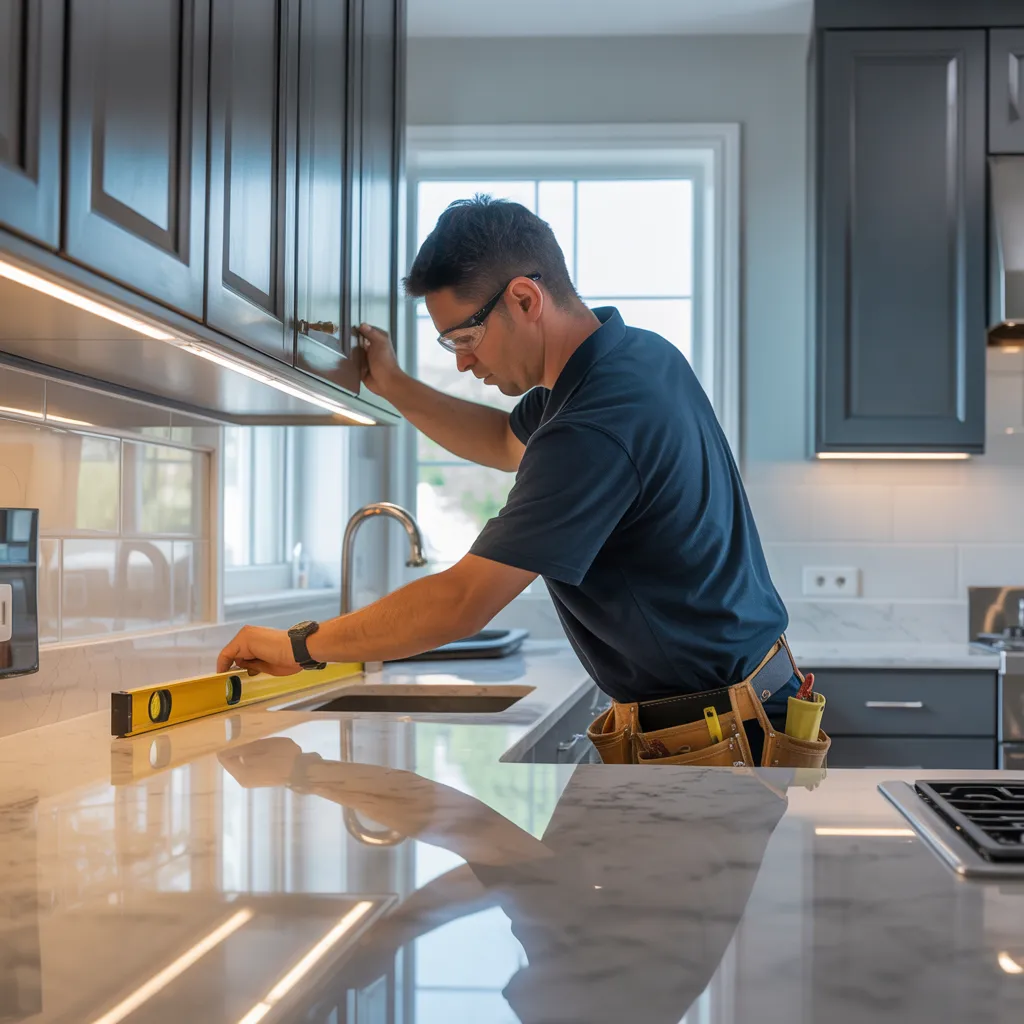
Upon beginning a kitchen remodeling project, examining the current kitchen layout is vital for recognizing positive and negative aspects. This examination helps homeowners to identify how well the space addresses their needs. By analyzing the workflow, one can locate areas that may obstruct efficiency, such as poor placement of appliances or limited counter space.
Furthermore, assessing storage solutions is essential; lacking cabinets or cluttered countertops can disrupt harmony in the kitchen. Homeowners should also consider the natural light and traffic patterns, as these elements significantly shape the kitchen's ambiance and usability.
Creating a Realistic Budget
Setting a realistic budget for a kitchen remodel demands careful financial assessment, guaranteeing funds are available for the project. Homeowners should prioritize key elements that will improve aesthetics and functionality. Additionally, it is essential to include contingencies to handle unexpected expenses that may arise during the renovation process.
Examine Your Finances
A carefully structured budget is vital for any kitchen remodeling project, as it substantially determines the scope and quality of the renovations. Homeowners should commence by examining their financial situation, examining savings, income, and any available credit options. This review helps in identifying how much can realistically be allocated for the project. It is advisable to create a comprehensive budget that includes not just construction costs, but also expenses for materials, labor, permits, and unexpected contingencies. By setting clear financial limits, homeowners can sidestep excessive spending and verify that their remodeling efforts align with their financial capabilities. Thorough budget planning lays the groundwork for a successful kitchen transformation, setting the stage for knowledgeable planning throughout the renovation process.
Emphasize Essential Elements
Establishing a realistic budget requires homeowners to prioritize key elements of their kitchen remodel. This requires identifying must-have features versus optional upgrades. For instance, investing in quality cabinetry and countertops often delivers greater long-term satisfaction compared to decorative elements. Homeowners should analyze their cooking habits and family needs to determine functional requirements, such as layout and storage. Moreover, focusing on appliances that enhance efficiency can greatly impact overall satisfaction. By categorizing expenses into essential, desirable, and discretionary, homeowners can allocate funds more effectively. Understanding where to allocate resources ensures that the most critical aspects of the remodel receive adequate funding, ultimately leading to a balanced kitchen that meets both aesthetic and practical needs.
Consider Contingency Plans
When planning a kitchen remodel, it is necessary for homeowners to include contingencies to develop a realistic budget. Unanticipated expenses often occur during renovations, such as building defects, aging plumbing, or the demand for permits. A typical recommendation is to assign an additional 10-20% of the total budget for these unexpected expenses. This buffer confirms that homeowners are primed for any surprises without hindering the entire project. Additionally, it's sensible to conduct thorough research and obtain multiple quotes from contractors to identify potential areas of savings. By anticipating these contingencies, homeowners can not only manage their finances better but also lower stress, enabling a more seamless and more successful kitchen remodeling experience.
Selecting the Perfect Design Aesthetic
When selecting a design style for a kitchen remodel, homeowners should consider trending styles that resonate with their personal taste. Maintaining equilibrium between functionality and aesthetics is essential, as the kitchen must serve as both a practical workspace and an inviting gathering area. In addition, budget considerations will play a crucial role in determining the overall design choices.
Widely-Used Design Directions
As homeowners begin the journey of kitchen remodeling, selecting the right design style becomes a critical decision that can substantially influence the overall ambiance and functionality of the space. At present, several design trends are attracting interest in kitchen renovations. Minimalism, characterized by clean lines and uncluttered spaces, fosters simplicity and sophistication. In contrast, farmhouse style celebrates rustic charm with natural materials and earthy tones. Industrial design, with its raw finishes and metallic accents, appeals to urban dwellers seeking an edgy look. Additionally, contemporary aesthetics display bold colors and innovative materials, reflecting individual personality. Each trend delivers unique elements, allowing homeowners to create a space that matches their vision while transforming their kitchen into a personal haven.
Performance and Visual Appeal
Harmonizing functionality and aesthetics is vital in selecting the right design style for a kitchen remodel. Homeowners should assess how the design will address everyday needs while also enhancing learn now visual appeal. For example, a modern design may focus on sleek lines and minimalism, guaranteeing ease of cleaning and organization. On the other hand, a farmhouse style could highlight warmth and a welcoming atmosphere, incorporating practical elements like open shelving for easy access. Additionally, incorporating versatile storage solutions can improve both functionality and style, allowing for a clutter-free environment. In the end, the chosen design should represent personal taste while ensuring the kitchen remains a practical space for cooking and entertaining. By integrating these elements, homeowners can create a kitchen that is both beautiful and functional.
Financial Planning
Selecting the right design style for a kitchen remodel necessitates careful assessment of the budget. Homeowners must first evaluate their financial capability to determine which design elements are achievable. Luxury materials and intricate layouts can significantly increase costs, while simpler, more functional designs may align better with stricter budgets. Focusing on essential features over luxury items can help maintain financial stability. Exploring various design styles, from modern to farmhouse, allows homeowners to picture their options within their price range. Furthermore, consulting with professionals can provide insights into cost-effective alternatives that do not compromise aesthetics. In the end, aligning the chosen design style with budget limitations ensures a satisfying and financially responsible kitchen transformation.
Choosing Material Options and Finishes
The choice of materials and finishes plays an essential role in defining the complete aesthetic and functionality of a kitchen remodel. Homeowners should consider a range of options, including countertops, cabinetry, flooring, and backsplash materials. Favored countertop options, such as granite and quartz, deliver durability and visual appeal, while laminate delivers a affordable alternative.
Cabinet choices vary from solid wood to engineered materials, influencing both style and budget. Choosing the right flooring is critical; hardwood offers warmth, while tile offers versatility and easy maintenance.
Backsplash finishes, including glass or ceramic tile, can function as a focal point, improving the design. Color palettes should be unified, showcasing the homeowner's individual taste while guaranteeing longevity.
At the end of the day, the choosing process should strike a balance between aesthetics and practical factors, guaranteeing the kitchen stays being both aesthetically pleasing and functional for years to come.
Strategizing for Practicality and Performance
Although aesthetics matter, considering practical operation and efficiency is crucial in a kitchen remodel. A well-designed kitchen should streamline cooking and meal preparation, limiting unnecessary movement and improving productivity. Important factors include the classic work triangle, which ideally locates the sink, stove, and refrigerator for optimal accessibility.
Moreover, adding abundant storage systems, such as pull-out shelves and vertical space usage, can minimize clutter and maintain essential items within access. Selecting energy-efficient appliances not only protects resources but also lowers long-term costs.
Appropriate lighting is essential, as it increases visibility and creates a inviting atmosphere. Furthermore, opting for durable materials that withstand wear and tear guarantees longevity and ease of maintenance. All in all, prioritizing functionality and efficiency will lead to a kitchen that not only looks beautiful but also serves as a remarkably functional workspace for daily culinary tasks.
Professional Services vs. Self-Managed Solutions
Is hiring professionals preferable, or should the kitchen remodel be a DIY undertaking? This decision relies on numerous factors, such as skill level, budget, and project complexity. Employing professionals can provide a level of skill and workmanship that could be hard for an amateur to match. They frequently have connections to higher-quality materials, tools, and resources, which can lead to a more polished final product.
On the other hand, choosing a DIY approach can be economical and allows homeowners to customize their space in line with specific preferences. Nonetheless, it calls for a significant time dedication and a thorough understanding of construction and design principles. Missteps during a DIY project can lead to expensive repairs or delays.
At the end of the day, the decision between hiring professionals and pursuing a DIY remodel copyrights on the individual's abilities and the intended outcome. Homeowners should consider the pros and cons carefully to establish the best approach for their kitchen renovation.
FAQ
What Are Common Kitchen Remodeling Mistakes to Avoid?
Frequent kitchen remodeling mistakes include poor planning, ignoring the kitchen work triangle, ignoring storage needs, spending too much on non-essential features, and neglecting to consider proper lighting. These errors can cause frustration and unsatisfactory results.
What Is the Duration of a Typical Kitchen Remodel?
A standard kitchen remodel normally requires between 6-12 weeks, according to the project's complexity and scope. Elements such as design changes, material availability, and contractor schedules can affect the complete timeframe considerably.
What Permits Do You Need for Kitchen Remodeling?
Normally, kitchen remodeling calls for building permits, plumbing permits, and electrical permits, according to the scope of work. Local codes differ, so checking with local building departments guarantees compliance and sidesteps potential fines or project delays.
Can I Remodel My Kitchen in Stages?
Kitchen remodeling can be done in stages. This strategy helps homeowners manage their budget and limit disruptions, letting them emphasize specific sections while incrementally enhancing the space's overall functionality and design.
What Are the Ways to Include Smart Technology in My Kitchen?
Incorporating smart technology into a kitchen entails setting up voice-activated assistants, smart appliances, automated lighting, and connected devices. This integration enhances convenience, efficiency, and safety, building a modern culinary environment customized to the homeowner's lifestyle.